

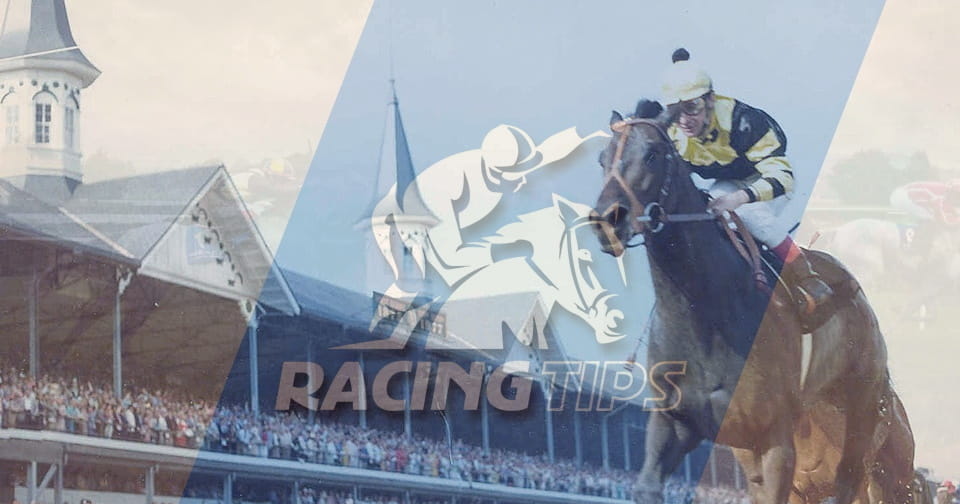
Seattle Slew: The Undefeated American Triple Crown Champion
Seattle Slew is one of the most celebrated racehorses in the history of American Thoroughbred racing. Born in Kentucky in 1974, he became a sporting legend in 1977 when he won the Kentucky Derby, Preakness Stakes, and Belmont Stakes to complete the American Triple Crown without having suffered a single defeat. His achievement was unprecedented, establishing him as the first undefeated Triple Crown winner and securing his place among the greatest horses ever to compete in the United States.
Known for his exceptional early speed, powerful stride, remarkable stamina, and fierce competitive spirit, Seattle Slew dominated many of the finest horses of his generation. His achievements extended beyond the Triple Crown, including memorable performances against other champions and a highly influential career as a breeding stallion. His story remains one of the most inspiring examples of natural talent, determination, and sporting excellence in horse racing.
The Early Life of Seattle Slew
Seattle Slew was born on February 15, 1974, at White Horse Acres Farm near Lexington, Kentucky. He was a dark bay Thoroughbred colt sired by Bold Reasoning out of the mare My Charmer, whose sire was Poker. Although his pedigree included respected American bloodlines, few observers initially predicted that he would become one of the most influential horses in racing history.
In 1975, Seattle Slew was purchased as a yearling for just $17,500 at the Fasig-Tipton Kentucky July sale. His owners included Mickey and Karen Taylor and Jim and Sally Hill, who would experience one of the most remarkable success stories in American racing.
The colt was placed in the care of trainer Billy Turner, who quickly recognised his exceptional natural ability. Seattle Slew possessed tremendous speed and athleticism, although his strong personality and energetic temperament sometimes made him challenging to manage. These characteristics would eventually become important elements of his racing identity.
The Beginning of an Extraordinary Racing Career
Seattle Slew made his racing debut at Belmont Park on September 20, 1976. Competing in a six-furlong maiden race, he immediately demonstrated his exceptional potential by winning convincingly. His natural acceleration and ability to maintain a strong gallop attracted considerable attention from racing professionals.
He followed that performance with another impressive victory in an allowance race before stepping into elite competition in the Champagne Stakes at Belmont Park. Facing stronger opposition, Seattle Slew delivered a dominant performance and established himself as one of the most exciting young Thoroughbreds in the country.
He completed his two-year-old season with three victories from three starts and was named American Champion Two-Year-Old Male Horse of 1976. His unbeaten record made him a leading contender for the following year's Kentucky Derby and marked the beginning of a remarkable journey towards the American Triple Crown.
The Road to the 1977 Triple Crown
Seattle Slew entered the 1977 racing season with enormous expectations. His connections carefully prepared him for the demanding series of races that would determine whether he could become a Triple Crown champion.
He began his three-year-old campaign with a convincing allowance victory at Hialeah Park in Florida. He then captured the Flamingo Stakes, demonstrating that he had developed the stamina required to complement his exceptional speed.
His final major preparation came in the Wood Memorial Stakes at Aqueduct, where he maintained his unbeaten record and confirmed his position as one of the leading Kentucky Derby contenders.
By the time Seattle Slew arrived at Churchill Downs, he had won all six of his career starts. However, the Kentucky Derby would present an entirely different challenge, with a large field, intense atmosphere, and demanding distance testing his ability against the strongest three-year-olds in the United States.
The 1977 Kentucky Derby
On May 7, 1977, Seattle Slew entered the starting gate at Churchill Downs as the favourite for the Kentucky Derby. With jockey Jean Cruguet aboard, he faced the most important race of his career.
His start was far from ideal. Seattle Slew broke awkwardly and found himself behind several rivals during the opening stages. For a horse accustomed to controlling races from the front, the situation created immediate concern.
However, his remarkable acceleration allowed him to recover quickly. Cruguet guided him forward, and Seattle Slew soon established himself among the leaders. Once in a prominent position, he demonstrated his characteristic determination and maintained his advantage throughout the closing stages.
Seattle Slew crossed the finishing line one and three-quarter lengths ahead of Run Dusty Run, extending his unbeaten record to seven consecutive victories. His performance demonstrated that he possessed more than natural speed, showing the courage and adaptability required of a genuine champion.
The Preakness Stakes
Two weeks after his Kentucky Derby triumph, Seattle Slew travelled to Pimlico Race Course in Baltimore, Maryland, for the Preakness Stakes. The second leg of the Triple Crown is contested over one mile and three-sixteenths and requires a combination of speed, stamina, and tactical awareness.
Seattle Slew faced strong opposition, particularly from Cormorant, who challenged him during the early stages. The two horses engaged in a demanding battle for the lead, creating a fast pace that could have weakened a less accomplished runner.
Despite the pressure, Seattle Slew maintained his rhythm and gradually asserted his superiority. He eventually defeated Iron Constitution by one and a half lengths, recording another impressive victory.
With eight consecutive wins, Seattle Slew was now only one race away from completing the American Triple Crown while remaining undefeated throughout his career.
The Belmont Stakes and an Historic Triple Crown
On June 11, 1977, Seattle Slew arrived at Belmont Park in New York for the Belmont Stakes, the final and longest race of the American Triple Crown. Contested over one mile and a half, the Belmont Stakes is considered one of the ultimate tests of stamina for three-year-old Thoroughbreds.
Seattle Slew faced challenging conditions, including a muddy racing surface. Nevertheless, he quickly established control of the race and maintained a comfortable advantage over his rivals.
With Jean Cruguet once again in the saddle, Seattle Slew produced a composed and powerful performance, winning by four lengths and completing the Triple Crown with nine consecutive victories.
He became the tenth American Triple Crown winner and the first to achieve the distinction without having previously suffered defeat. The accomplishment established a new standard of excellence in American racing and transformed Seattle Slew into a national sporting icon.
His achievement remained unique for more than four decades until Justify also completed an undefeated Triple Crown campaign in 2018.
The First Defeat of Seattle Slew
Although Seattle Slew completed the Triple Crown undefeated, his remarkable winning sequence eventually came to an end. On July 3, 1977, only a few weeks after the Belmont Stakes, he competed in the Swaps Stakes at Hollywood Park in California.
The race came after an exceptionally demanding Triple Crown campaign, and Seattle Slew was unable to reproduce his usual brilliance. He finished fourth behind J. O. Tobin, suffering the first defeat of his career.
Despite the disappointment, his achievements earlier in the season remained extraordinary. Seattle Slew did not race again during 1977 and was subsequently named American Horse of the Year and Champion Three-Year-Old Male.
The Remarkable Comeback of 1978
Seattle Slew's four-year-old season became another important chapter in his career. During the winter, he suffered a serious health problem involving his jugular vein, raising concerns about whether he would return to competitive racing.
After recovering, Seattle Slew resumed training under Doug Peterson. His comeback was carefully managed, and he gradually regained the fitness required to compete against elite older horses.
He returned with victories in allowance races before stepping back into major competition. Although he was no longer undefeated, Seattle Slew continued to demonstrate the exceptional ability that had made him a Triple Crown champion.
His performances later in the season would establish that his greatness extended far beyond his historic achievements as a three-year-old.
The Legendary Rivalry with Affirmed
One of the most remarkable moments in American racing occurred in September 1978 when Seattle Slew faced Affirmed in the Marlboro Cup at Belmont Park.
Affirmed had completed the American Triple Crown earlier that year, meaning the race brought together two Triple Crown champions in direct competition. It was the first time two Triple Crown winners had competed against each other.
Seattle Slew produced an outstanding performance under jockey Angel Cordero Jr. Using his exceptional early speed, he established control of the race and maintained a powerful gallop throughout.
Affirmed attempted to challenge, but Seattle Slew proved too strong and won by three lengths. The victory reinforced his reputation as one of the greatest American racehorses and demonstrated his ability to defeat another Triple Crown champion.
The Epic Battle Against Exceller
The 1978 Jockey Club Gold Cup at Belmont Park is remembered as one of the greatest races in American Thoroughbred history. Seattle Slew faced a field that included Affirmed and Exceller, two outstanding competitors.
Seattle Slew established a demanding early pace, while Affirmed initially attempted to keep him within reach. As the race developed, Affirmed faded from contention, leaving Seattle Slew to confront the late challenge of Exceller.
Despite having expended considerable energy during the early stages, Seattle Slew fought courageously throughout the home straight. Exceller gradually reduced the deficit, and the two horses engaged in a dramatic battle approaching the finishing line.
Exceller eventually prevailed by a nose, but Seattle Slew's performance was widely admired. His ability to sustain such an intense pace and still resist one of the finest older horses in training demonstrated exceptional stamina, determination, and competitive spirit.
For many racing historians, the Jockey Club Gold Cup remains one of the strongest examples of Seattle Slew's greatness, even though he finished second.
Seattle Slew's Racing Style
Seattle Slew was renowned for his exceptional early speed and ability to dominate races from the front. Unlike horses that depended on a late burst of acceleration, he frequently established a strong pace and challenged his rivals to maintain contact.
His racing style required a rare combination of natural speed and stamina. Horses that attempted to match his early pace often weakened during the closing stages, while those waiting behind sometimes found it impossible to reduce his advantage.
Another important characteristic was his determination. Seattle Slew was not simply a horse that performed well when conditions were favourable. His Kentucky Derby recovery, victories against elite older horses, and extraordinary effort against Exceller demonstrated his willingness to compete under pressure.
Career Statistics and Major Achievements
Seattle Slew retired with an exceptional racing record that reflected his dominance across three seasons.
- Country: United States
- Born: February 15, 1974
- Died: May 7, 2002
- Sire: Bold Reasoning
- Dam: My Charmer
- Career Starts: 17
- Career Wins: 14
- Second-Place Finishes: 2
- Career Earnings: $1,208,726
- American Triple Crown: 1977
- American Horse of the Year: 1977
- National Museum of Racing Hall of Fame: Inducted in 1981
His fourteen victories included the Kentucky Derby, Preakness Stakes, Belmont Stakes, Champagne Stakes, Flamingo Stakes, Wood Memorial Stakes, Marlboro Cup, and Woodward Stakes.
He also earned Eclipse Awards in each of his three racing seasons, recognising him as Champion Two-Year-Old Male in 1976, Champion Three-Year-Old Male in 1977, and Champion Older Male in 1978.
Seattle Slew's Influence on Thoroughbred Breeding
After retiring from racing, Seattle Slew began a highly successful career as a breeding stallion. He initially stood at Spendthrift Farm in Kentucky before moving to Three Chimneys Farm in 1985.
His influence as a sire became almost as important as his accomplishments on the racetrack. Seattle Slew passed on many of his strongest characteristics, including natural speed, stamina, athleticism, and competitive determination.
Among his most notable offspring were:
- A.P. Indy: Winner of the 1992 Belmont Stakes and Breeders' Cup Classic, later becoming one of the most influential American stallions of his generation.
- Swale: Winner of the 1984 Kentucky Derby and Belmont Stakes.
- Slew o' Gold: An outstanding champion who became one of the leading American racehorses of the 1980s.
- Capote: Winner of the Breeders' Cup Juvenile and an American champion two-year-old.
- Landaluce: An exceptionally talented filly whose brilliant early performances suggested enormous potential.
Through A.P. Indy and other successful descendants, Seattle Slew's bloodline became deeply embedded in modern American Thoroughbred breeding.
The Importance of Seattle Slew in American Racing History
Seattle Slew occupies a unique position in the history of American horse racing because his achievements combined exceptional performance with an extraordinary personal story.
Purchased for a comparatively modest amount, he defeated horses associated with some of the wealthiest and most established racing operations in the country. His success demonstrated that exceptional Thoroughbreds could emerge from unexpected circumstances.
His undefeated Triple Crown campaign also changed expectations surrounding the achievement. Before Seattle Slew, no horse had completed the American Triple Crown without previously experiencing defeat.
Although Justify eventually matched that distinction in 2018, Seattle Slew remains one of the most celebrated Triple Crown champions because of his additional accomplishments against older horses.
Seattle Slew's Final Years and Lasting Legacy
Seattle Slew spent much of his retirement at Three Chimneys Farm in Kentucky, where he became a popular attraction for racing enthusiasts and breeders.
As he grew older, he experienced health problems that required veterinary treatment, including surgery involving his spine. Despite these difficulties, he remained an important figure in the Thoroughbred industry.
Seattle Slew died on May 7, 2002, at Hill 'n' Dale Farm in Kentucky, exactly twenty-five years after his Kentucky Derby victory. He was twenty-eight years old.
His death marked the end of an extraordinary life, but his influence continued through his descendants and the enduring popularity of his racing achievements.
Seattle Slew's induction into the National Museum of Racing and Hall of Fame in 1981 had already confirmed his position among the greatest American racehorses. His later achievements as a stallion strengthened that legacy even further.
Conclusion
Seattle Slew remains one of the most extraordinary Thoroughbreds in the history of American horse racing. From his modest beginnings as a $17,500 yearling to his historic undefeated Triple Crown campaign in 1977, his career demonstrated a rare combination of speed, stamina, courage, and competitive determination.
His greatness extended beyond the Triple Crown. Memorable victories against Affirmed, his remarkable battle with Exceller, and his successful return from serious health problems showed that Seattle Slew possessed the qualities of a true champion. His achievements as a breeding stallion subsequently ensured that his influence would continue long after his retirement.
More than a celebrated racehorse, Seattle Slew became a symbol of excellence in American Thoroughbred racing. His place among the sport's greatest legends remains secure, and his remarkable story continues to inspire racing enthusiasts, breeders, trainers, and future generations of champions.

