
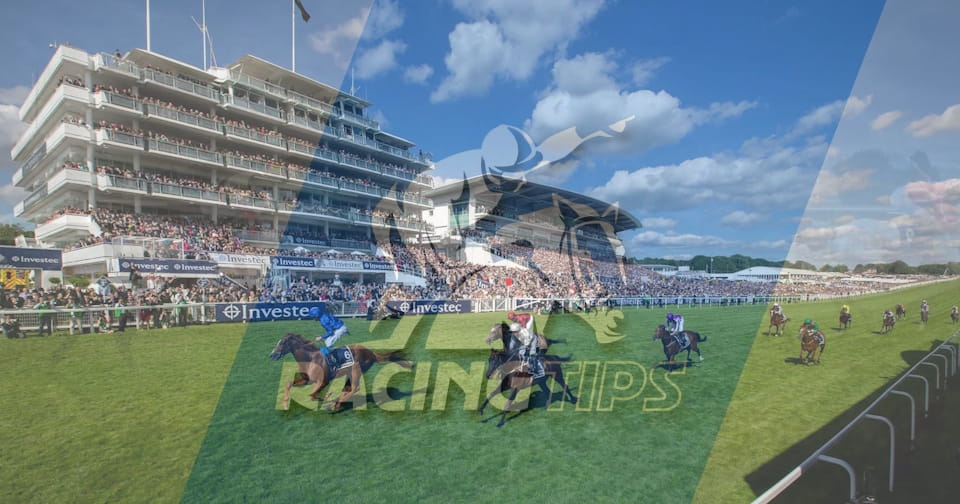
Epsom Downs Racecourse: The Historic Home of the Derby
Epsom Downs Racecourse is one of the most famous and historically important horse racing venues in the world. Located on the North Downs in Surrey, England, the course is internationally recognised as the home of the Derby, one of the most prestigious Flat races and a contest that has influenced Thoroughbred racing across the globe. Its unusual terrain, sweeping bends, dramatic downhill sections, and demanding finish make Epsom fundamentally different from many other major British racecourses.
For more than two centuries, Epsom has provided the stage for outstanding horses, jockeys, trainers, and owners to compete for some of the greatest prizes in British racing. The Derby and the Oaks are both part of the five British Classics, ensuring that Epsom occupies a central position in the history of the Thoroughbred. Combined with the distinctive atmosphere of the Epsom Downs and the enormous cultural importance of Derby day, the racecourse remains one of the defining venues of British Flat racing.
The History of Epsom Downs Racecourse
Horse racing around Epsom has a history stretching back to the seventeenth century. The area became popular with visitors after Epsom developed as a spa town, and racing gradually became part of the entertainment associated with the region. By the eighteenth century, organised meetings on the Downs were firmly established.
The event that would transform Epsom into an internationally important racing venue arrived in 1779 with the inaugural running of the Oaks. The race was named after The Oaks, an estate near Epsom associated with the Earl of Derby. It was created as a major contest for three-year-old fillies and rapidly established itself among the most important races in the country.
Its success was followed in 1780 by the first Derby. The new race for three-year-olds would eventually become one of the most influential contests in the history of Thoroughbred racing. The Derby name was subsequently adopted by major races around the world, demonstrating the extraordinary international influence of the original Epsom event.
Over the generations, Epsom has evolved considerably, with modern grandstands, hospitality facilities, improved racing infrastructure, and enhanced safety measures. Despite these developments, the essential character of the Downs and the extraordinary challenge presented by the course remain fundamental to its identity.
The Derby Festival
The Derby Festival is the centrepiece of the racing calendar at Epsom Downs. Traditionally staged around the beginning of June, the meeting brings together elite three-year-old Thoroughbreds and provides two of the most important Classic races of the British season.
The Oaks is one of the principal attractions of the meeting and is restricted to three-year-old fillies. Like the Derby, it is contested over approximately one mile and four furlongs and requires a combination of speed, stamina, balance, and maturity. Victory can transform the reputation and future breeding value of a filly.
The Derby is the defining event of the festival. Generations of leading owners, trainers, breeders, and jockeys have pursued victory at Epsom, and winning the race remains one of the highest achievements in Flat racing. The occasion combines elite competition with centuries of sporting tradition, producing an atmosphere that few other race meetings can replicate.
Championship Races at Epsom Downs
Although the Derby dominates the international reputation of Epsom, the racecourse stages several important contests that contribute to the quality and variety of its major meetings.
- The Derby: One of the five British Classics and the most famous race staged at Epsom, testing elite three-year-olds over approximately one mile and four furlongs.
- The Oaks: A British Classic restricted to three-year-old fillies and one of the most prestigious races for fillies anywhere in the world.
- Coronation Cup: A major Group 1 contest that allows accomplished older horses to compete over the Derby distance.
- Diomed Stakes: An established Group race that provides an important opportunity for high-class performers over a shorter distance.
- Princess Elizabeth Stakes: A significant contest for fillies and mares that adds further quality to the Derby meeting.
These races ensure that the Epsom programme is not focused exclusively on one event. The combination of Classic contenders, experienced older horses, and talented fillies and mares creates a meeting capable of showcasing several different categories of elite Flat racehorse.
The Epsom Downs Course Layout
Epsom Downs has one of the most distinctive and technically demanding layouts in British racing. Unlike conventional oval racecourses, Epsom features significant changes in elevation, unusual cambers, sharp turns, and a famous downhill section that requires exceptional balance from both horse and jockey.
The Derby course begins with an uphill section before horses continue across the highest parts of the Downs. They then descend towards Tattenham Corner, one of the most recognisable turns in world racing. Negotiating this section efficiently is crucial because horses must maintain their balance while travelling downhill and preparing for the turn into the home straight.
After Tattenham Corner, runners enter the finishing straight, but the challenge is far from over. The track continues to test balance before rising towards the winning post. Horses that have expended too much energy earlier in the race can quickly weaken, while those that remain balanced and conserve sufficient stamina can produce decisive late challenges.
This unusual configuration is one reason why the Derby is such a comprehensive examination of a three-year-old racehorse. Raw speed alone is rarely enough. Successful horses generally require tactical speed, stamina, agility, balance, temperament, and the ability to cope with changing gradients.
The Epsom Downs: A Unique Setting
The racecourse occupies an extraordinary position on the Epsom Downs, offering expansive views across Surrey and towards London. The open landscape gives the venue a character that differs considerably from enclosed urban racecourses and has contributed to the visual identity of the Derby for generations.
Another distinctive feature of Epsom is the relationship between the racecourse and the surrounding public land. The Downs have traditionally allowed enormous crowds to gather for the Derby, helping transform the occasion into a major public celebration rather than simply a conventional race meeting.
Historically, Derby day attracted people from across British society. Racing enthusiasts mixed with families, entertainers, traders, and visitors who travelled to Epsom primarily for the atmosphere. This combination of elite sport and popular celebration helped establish the Derby as one of the major social and sporting occasions of the British calendar.
The Derby and International Racing
Few British races have influenced international horse racing as profoundly as the Epsom Derby. The prestige of the original contest led to the Derby name being adopted for important races in numerous racing nations, although the conditions and distances of those events can differ considerably from the Epsom original.
The influence extends beyond terminology. Thoroughbred breeding programmes around the world have traditionally placed enormous value on horses capable of demonstrating the combination of speed and stamina required to succeed over the Derby distance. An Epsom Derby winner can therefore become extremely important as a breeding stallion after retirement.
The race also occupies a central position within the British Triple Crown. A colt that wins the 2,000 Guineas at Newmarket, the Derby at Epsom, and the St Leger at Doncaster completes one of the most demanding achievements in Flat racing. The different distances and course characteristics involved require an exceptional degree of versatility.
Legendary Horses and Jockeys
Epsom has witnessed many of the greatest performances in the history of British racing. Derby winners such as Nijinsky, Mill Reef, Shergar, Galileo, and Sea The Stars became celebrated champions, with their achievements at Epsom forming important parts of their racing legacies.
Shergar produced one of the most memorable Derby performances when he dominated the race in 1981. His extraordinary winning margin established the victory as one of the defining moments in the modern history of the event. Sea The Stars added the Derby to an exceptional 2009 campaign that ultimately established him as one of the outstanding European racehorses of his era.
The course has also been associated with legendary jockeys. Lester Piggott established a remarkable Derby record with nine victories, demonstrating exceptional tactical understanding of the unique Epsom layout. Other leading riders have also built important parts of their reputations through success in the Derby, Oaks, and other major races staged on the Downs.
For jockeys, Epsom presents challenges that require experience and precise judgement. Positioning, pace, balance, and timing can all influence the outcome, particularly when a large Derby field approaches Tattenham Corner before the decisive run towards the finish.
Epsom Downs Beyond the Derby Festival
Although the Derby Festival generates most of the international attention, racing at Epsom is not restricted to its most famous meeting. The course hosts additional fixtures during the Flat season, providing opportunities for horses across different classes and distances.
These meetings allow regular racegoers to experience the unusual characteristics of Epsom in a different environment from the enormous Derby occasion. They also provide valuable opportunities for horses and jockeys to gain experience on a course where local knowledge and the ability to handle the terrain can be particularly important.
The venue also accommodates hospitality, private functions, conferences, and other events. Its proximity to London and distinctive surroundings make Epsom an attractive location beyond its traditional role as a racecourse.
Modernization and Facilities
Epsom Downs has undergone substantial modernisation while retaining the historical identity that makes the racecourse unique. Modern grandstands provide spectators with improved views, hospitality areas, restaurants, bars, and facilities designed to accommodate the large crowds associated with major meetings.
Considerable attention is also given to racing infrastructure, course maintenance, veterinary support, and horse welfare. Preparing a track with the unusual gradients and characteristics of Epsom requires careful management, particularly around major meetings when the quality of the racing surface is essential.
Modern technology has also changed the spectator experience. Large screens, digital information services, improved broadcasting infrastructure, and contemporary hospitality options allow visitors to follow racing in ways that would have been unimaginable during the early history of the Derby.
Economic and Cultural Importance
Epsom Downs Racecourse has considerable economic importance for the surrounding area. Major meetings attract visitors who use local hotels, restaurants, transport services, and other businesses, while the racecourse itself supports employment and commercial activity throughout the racing season.
Its cultural significance is even greater. The Derby has been part of British sporting life since 1780 and has survived enormous social, economic, and technological changes. The race has inspired paintings, literature, photography, broadcasting, and countless stories involving some of the most famous horses and personalities in racing history.
Epsom also occupies an important position within the wider Thoroughbred industry. Results in the Derby and Oaks can influence breeding decisions and bloodline valuations for generations. A Classic victory at Epsom therefore has consequences extending far beyond the prize won on the day.
The Future of Epsom Downs Racecourse
Epsom Downs faces the challenge shared by many historic sporting venues: preserving centuries of tradition while adapting to the expectations of modern audiences. Continued investment in spectator facilities, racing infrastructure, accessibility, sustainability, and horse welfare will be essential to maintaining its position among the leading racecourses in the world.
The Derby remains central to that future. Its history gives the race extraordinary prestige, but its continuing relevance also depends on attracting elite horses and maintaining its position within an increasingly international racing programme. The unique test presented by Epsom provides an important advantage because no other major race can reproduce exactly the combination of gradients, turns, cambers, distance, and atmosphere found on the Downs.
As future generations of horses attempt to add their names to the list of Derby and Oaks champions, Epsom will continue to connect modern racing with more than two centuries of sporting history.
Conclusion
Epsom Downs Racecourse is much more than the venue for one famous horse race. It is a cornerstone of British Flat racing and a place where the history of the Thoroughbred has been shaped for generations. From the creation of the Oaks and Derby in the eighteenth century to the unforgettable performances of legendary champions, Epsom has established a sporting legacy recognised throughout the racing world.
Its challenging course layout, spectacular setting, historic atmosphere, and continued ability to attract elite horses ensure that Epsom remains unlike any other major racecourse. Above all, the Derby continues to represent the ultimate test for many three-year-old Thoroughbreds, ensuring that Epsom Downs retains its place among the most important and celebrated venues in horse racing.