
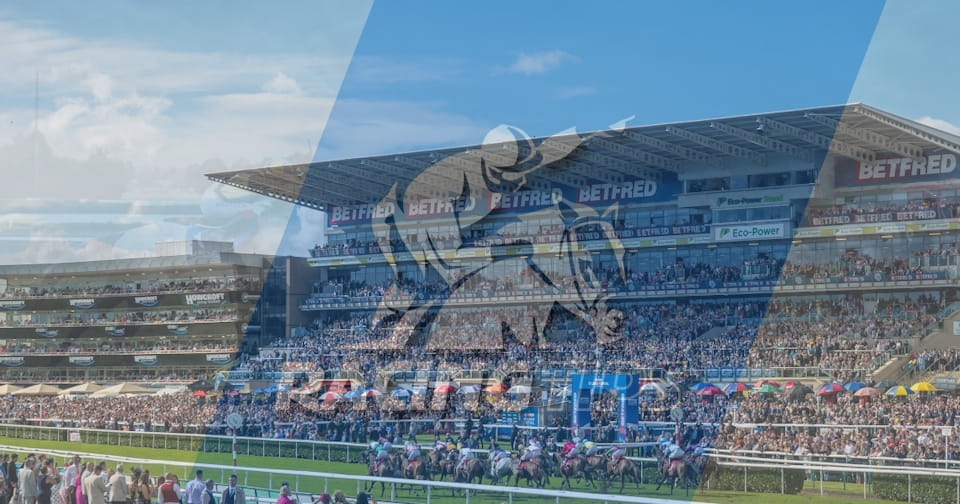
Doncaster Racecourse: Home of the Historic St Leger Stakes
Doncaster Racecourse is one of the most historic and respected horse racing venues in the United Kingdom. Located on Town Moor in South Yorkshire, England, it has been a cornerstone of British racing for centuries and is best known as the home of the St Leger Stakes, the oldest of Britain's five Classic races. Combining centuries of tradition with modern facilities, Doncaster continues to attract the finest horses, jockeys, trainers, and racing enthusiasts from around the world.
While many racecourses are famous for a single meeting, Doncaster plays an important role throughout the Flat racing season. From the Lincoln Handicap, which traditionally signals the beginning of the British turf campaign, to the prestigious St Leger Festival in September, the racecourse offers top-class competition across a wide range of races. Its fair layout, rich heritage, and outstanding facilities ensure that Doncaster remains one of the premier destinations in British horse racing.
The History of Doncaster Racecourse
Horse racing has been associated with Doncaster for more than four centuries. Historical records suggest that organised racing was taking place on Town Moor during the sixteenth century, making it one of the oldest racing venues in Britain. Over the years, the racecourse developed into a major centre for the sport, attracting wealthy owners, breeders, and spectators from across the country.
The defining moment in Doncaster's history came in 1776 with the creation of the St Leger Stakes by Colonel Anthony St Leger. Initially run on nearby Cantley Common before moving to Town Moor, the race quickly became one of the most prestigious contests in British racing.
Throughout the nineteenth and twentieth centuries, Doncaster continued to expand its reputation. Improvements to the racecourse, grandstands, and visitor facilities helped transform it into one of Britain's leading sporting venues while preserving the traditions that have made it famous.
Today, Doncaster Racecourse successfully blends its remarkable heritage with modern amenities, providing an outstanding experience for both racing professionals and casual visitors.
The St Leger Festival
The St Leger Festival is the highlight of the racing calendar at Doncaster Racecourse. Held annually in September over four days, it celebrates one of the oldest and most prestigious meetings in British Flat racing.
The festival attracts elite horses from Britain, Ireland, and other leading racing nations. Thousands of spectators attend each year to enjoy world-class racing, hospitality, fashion, and entertainment, creating an atmosphere that combines sporting excellence with traditional British racecourse culture.
Although the St Leger Stakes is the centrepiece of the festival, the meeting features several other high-quality races that showcase some of the finest Thoroughbreds of the season.
Championship Races at Doncaster
Doncaster hosts numerous prestigious races throughout the season, but several stand out as defining events in British Flat racing.
- St Leger Stakes: Britain's oldest Classic race and the final Classic of the Flat season, testing stamina over approximately one mile, six furlongs and 115 yards.
- Doncaster Cup: One of the oldest staying races in the world and an important contest for elite long-distance horses.
- Lincoln Handicap: Traditionally the opening major handicap of the British Flat turf season, run over the famous straight mile.
- Futurity Trophy Stakes: A prestigious Group 1 race for two-year-olds that often identifies future Classic contenders.
- Champagne Stakes: A respected Group race for promising juvenile horses.
Winning one of Doncaster's major races significantly enhances a horse's reputation and often shapes its future racing and breeding career.
The Doncaster Course Layout
Doncaster Racecourse is widely regarded as one of the fairest tracks in British racing. The left-handed course is broad, relatively flat, and provides horses with every opportunity to settle into their stride.
Its most famous feature is the long straight mile, one of the finest in Britain. This straight gives jockeys time to position their mounts carefully and allows horses with a strong finishing burst to produce late challenges.
The long home straight often produces thrilling finishes, particularly during Group races and major handicaps where multiple runners remain in contention approaching the final furlong.
The layout rewards stamina, balance, tactical riding, and the ability to accelerate at the right moment, making Doncaster a favourite among many jockeys and trainers.
Town Moor: A Historic Setting
Doncaster Racecourse sits on the expansive Town Moor, one of the largest urban commons in Europe. The open surroundings provide a unique setting that has changed remarkably little over the centuries.
The combination of wide-open spaces, historic grandstands, and modern spectator facilities creates an attractive environment for racegoers. The racecourse is easily accessible from Doncaster town centre and has become an important landmark for both the local community and visitors.
Its location also allows the course to accommodate large crowds comfortably during major meetings while maintaining excellent viewing opportunities around the track.
Legendary Horses and Jockeys
Doncaster has welcomed many of the greatest horses in British racing history. Perhaps the most famous St Leger winner was Nijinsky, who completed the British Triple Crown in 1970 by adding the St Leger to victories in the 2,000 Guineas and Derby.
Numerous other Classic winners, champion stayers, and future breeding stars have competed at Doncaster, reinforcing the racecourse's importance within the Thoroughbred industry.
The venue has also witnessed memorable performances from legendary jockeys including Lester Piggott, Frankie Dettori, Ryan Moore, Kieren Fallon, and many others whose victories have become part of British racing folklore.
For owners, trainers, and jockeys alike, success at Doncaster remains one of the most satisfying achievements in the sport.
Doncaster Beyond the St Leger Festival
Although the St Leger Festival attracts the greatest attention, Doncaster hosts racing throughout much of the year. The Lincoln Handicap meeting traditionally launches the British Flat turf season, while numerous summer fixtures provide competitive racing across a variety of distances.
The racecourse also stages National Hunt meetings during the winter months, featuring respected races such as the Great Yorkshire Chase and the Grimthorpe Chase.
Away from racing, Doncaster serves as a venue for conferences, exhibitions, weddings, concerts, and business events, making it an important destination throughout the calendar year.
Modernization and Facilities
While preserving its historic character, Doncaster Racecourse has invested significantly in modern infrastructure. The grandstands offer excellent panoramic views of the course, while hospitality suites provide premium experiences for corporate guests and racing enthusiasts.
Modern betting facilities, restaurants, bars, and family-friendly areas ensure visitors enjoy a comfortable and memorable raceday experience. The racecourse also places considerable emphasis on horse welfare, maintaining high standards of veterinary care and track preparation.
Continuous investment helps Doncaster remain competitive with Britain's leading racing venues while respecting its centuries-old traditions.
Economic and Cultural Importance
Doncaster Racecourse makes a significant contribution to both the local economy and the wider British racing industry. Major meetings attract thousands of visitors, generating substantial business for hotels, restaurants, transport providers, and local retailers.
Culturally, the racecourse occupies a unique place in British sporting history. The St Leger Stakes has been an integral part of the racing calendar for nearly 250 years and continues to influence breeding, training, and racing strategies across Europe.
For many racing fans, attending the St Leger Festival remains an annual tradition and one of the highlights of the Flat racing season.
The Future of Doncaster Racecourse
Doncaster continues to invest in its future while celebrating its remarkable past. Improvements to visitor facilities, digital technology, sustainability initiatives, and racing infrastructure are helping ensure that the racecourse remains among Britain's leading venues.
As British horse racing evolves, Doncaster's combination of history, prestigious races, and excellent facilities positions it well for continued success. The St Leger Stakes will undoubtedly remain one of the sport's defining contests, attracting future generations of champions to Town Moor.
Conclusion
Doncaster Racecourse is far more than the home of the St Leger Stakes. It is one of Britain's oldest and most influential racing venues, offering an outstanding blend of heritage, sporting excellence, and modern hospitality. From its historic beginnings on Town Moor to its role in hosting some of the country's most prestigious Flat races, Doncaster continues to shape the story of British horse racing.
Whether visitors arrive to witness the excitement of the St Leger Festival, enjoy the opening drama of the Lincoln Handicap, or simply experience one of Britain's most historic racecourses, Doncaster delivers an unforgettable racing experience that reflects the very best of the sport.