
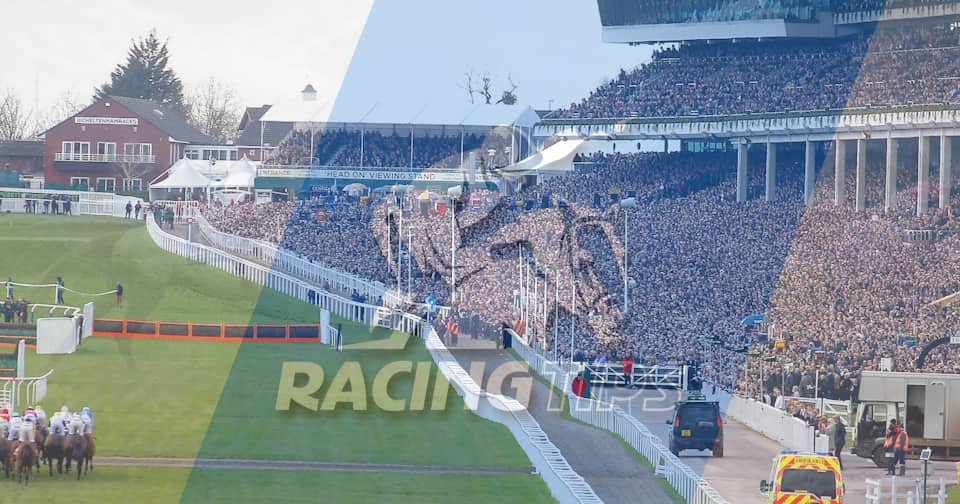
Cheltenham Racecourse: The Home of National Hunt Racing
Cheltenham Racecourse is widely regarded as the spiritual home of National Hunt racing. Located in Gloucestershire, England, at the edge of the picturesque Cotswolds, Cheltenham is synonymous with elite jump racing, passionate crowds, and some of the most iconic moments in horse racing history. Every year, thousands of racing enthusiasts gather at Cheltenham to witness world-class competition, particularly during the legendary Cheltenham Festival.
The History of Cheltenham Racecourse
Horse racing in Cheltenham dates back to the early nineteenth century. The first recorded meeting took place in 1815 on Nottingham Hill before the racecourse eventually moved to its current home at Prestbury Park in 1831.
Over time, Cheltenham evolved into the most important venue for National Hunt racing in Britain. Its reputation grew due to the quality of its races, the demanding nature of its course, and the electric atmosphere generated by racing fans.
Today, Cheltenham Racecourse stands as one of the most prestigious racing venues in the world, hosting elite horses, jockeys, and trainers from across the United Kingdom, Ireland, and beyond.
The Cheltenham Festival
The Cheltenham Festival is the crown jewel of the National Hunt season. Held annually in March over four days, it attracts the very best horses and jump racing professionals in the sport.
The festival is famous not only for its high-quality racing but also for its unmatched atmosphere. The roar of the crowd as the starter releases the horses for the opening race has become legendary and is known simply as the “Cheltenham Roar.”
Championship Races at Cheltenham
The Cheltenham Festival features several Grade 1 races that define careers and create legends. Among the most prestigious are:
- The Cheltenham Gold Cup: The ultimate prize in National Hunt racing, testing stamina, jumping ability, and determination over more than three miles.
- Champion Hurdle: The leading hurdle race for speed and agility over two miles.
- Queen Mother Champion Chase: A fast-paced steeplechase featuring the best two-mile chasers.
- Stayers’ Hurdle: The premier long-distance hurdle race.
- Ryanair Chase: A major middle-distance chase that has grown significantly in prestige.
Winning at Cheltenham is often considered the ultimate achievement in jump racing, and many horses are specifically trained throughout the year with the festival as their primary target.
The Cheltenham Course Layout
Cheltenham Racecourse is famous for its demanding layout. The venue features two main courses: the Old Course and the New Course.
The Old Course is tighter and sharper, favoring speed and tactical positioning, while the New Course is more stamina-testing with a longer run-in to the finish line. Both tracks include uphill sections that push horses and jockeys to their limits.
Perhaps the most famous feature is the punishing uphill finish. Horses must climb toward the winning post after the final obstacle, making endurance and fitness absolutely essential for success.
Prestbury Park: A Unique Setting
Often referred to simply as Prestbury Park, Cheltenham Racecourse is located in one of the most scenic areas of England. The rolling Cotswold hills provide a stunning backdrop to the racing action.
This picturesque setting adds to the unique character of Cheltenham, combining natural beauty with sporting drama. Even outside the festival, the racecourse attracts visitors who appreciate both horse racing and the charm of the surrounding countryside.
The Rivalry Between Britain and Ireland
One of the defining features of the Cheltenham Festival is the intense rivalry between British and Irish trainers, jockeys, and owners. Irish runners have enjoyed remarkable success in recent years, adding extra excitement and national pride to the competition.
The atmosphere created by British and Irish fans is one of the reasons Cheltenham is considered so special. The festival becomes more than just a sporting event—it turns into a celebration of National Hunt racing culture.
Legendary Horses and Jockeys
Cheltenham has produced countless legendary moments and champions. Horses such as Best Mate, Kauto Star, Denman, Arkle, and Golden Miller have all secured their place in racing history through memorable performances at Cheltenham.
Jockeys including Ruby Walsh, Tony McCoy, Richard Johnson, and Rachael Blackmore have also become icons through their achievements at the festival.
Rachael Blackmore made history in 2021 by becoming the first female jockey to win the Cheltenham Gold Cup aboard Minella Indo, marking a groundbreaking moment for the sport.
Cheltenham Beyond the Festival
Although the festival receives most of the global attention, Cheltenham hosts race meetings throughout the season. Events such as the November Meeting and New Year’s Day racing are extremely popular and provide important preparation races for festival contenders.
The racecourse also hosts hospitality events, conferences, exhibitions, and community activities, making it an important venue throughout the year.
Modernization and Facilities
While preserving its traditional atmosphere, Cheltenham has invested heavily in modern facilities. The grandstands, hospitality suites, viewing areas, and media facilities have all been upgraded to provide a world-class experience for spectators.
Modern veterinary facilities and safety measures have also become a key focus, ensuring the welfare of horses and jockeys remains a top priority.
Economic and Cultural Importance
The Cheltenham Festival generates enormous economic benefits for the local region and the wider racing industry. Hotels, restaurants, transport services, and betting operators all benefit from the influx of visitors during festival week.
Culturally, Cheltenham represents the heart of jump racing tradition. For many fans, attending the festival is an annual ritual and one of the highlights of the sporting calendar.
The Future of Cheltenham Racecourse
As horse racing evolves, Cheltenham continues to adapt while maintaining its unique identity. Investments in sustainability, digital innovation, and fan engagement aim to ensure the racecourse remains relevant for future generations.
Despite changes in the sporting world, Cheltenham’s combination of history, atmosphere, and elite competition ensures that it will continue to hold a special place in horse racing for decades to come.
Conclusion
Cheltenham Racecourse is more than just a venue—it is the beating heart of National Hunt racing. From the legendary Cheltenham Festival to its unforgettable champions and passionate crowds, the racecourse represents everything that makes jump racing unique and exciting. Its blend of tradition, sporting excellence, and atmosphere makes Cheltenham one of the greatest racecourses in the world.